

The Environmental and Mechanical Mandate for Agricultural Bulk Flow Tracking
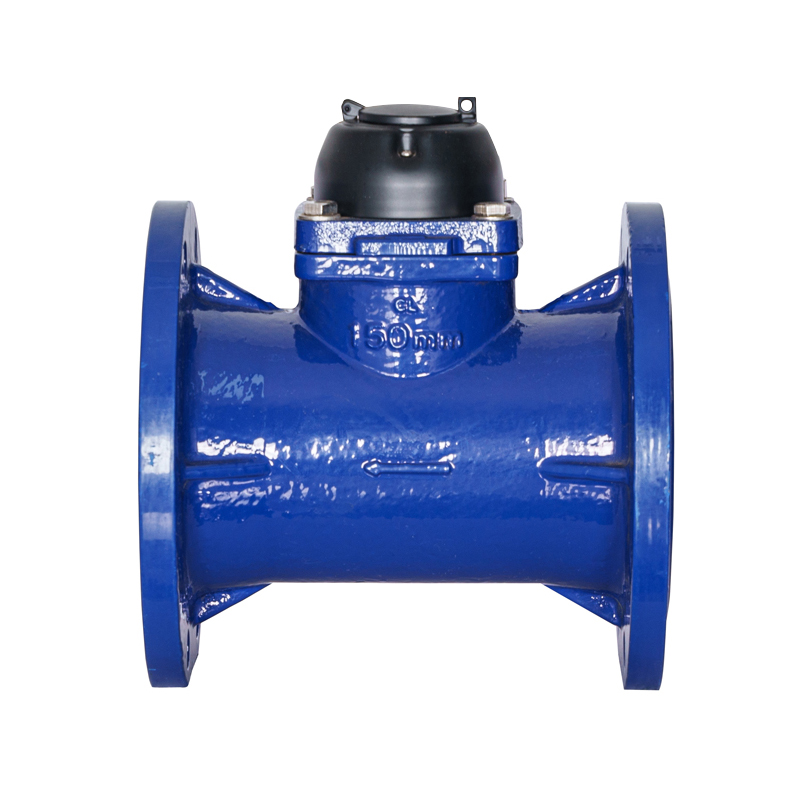
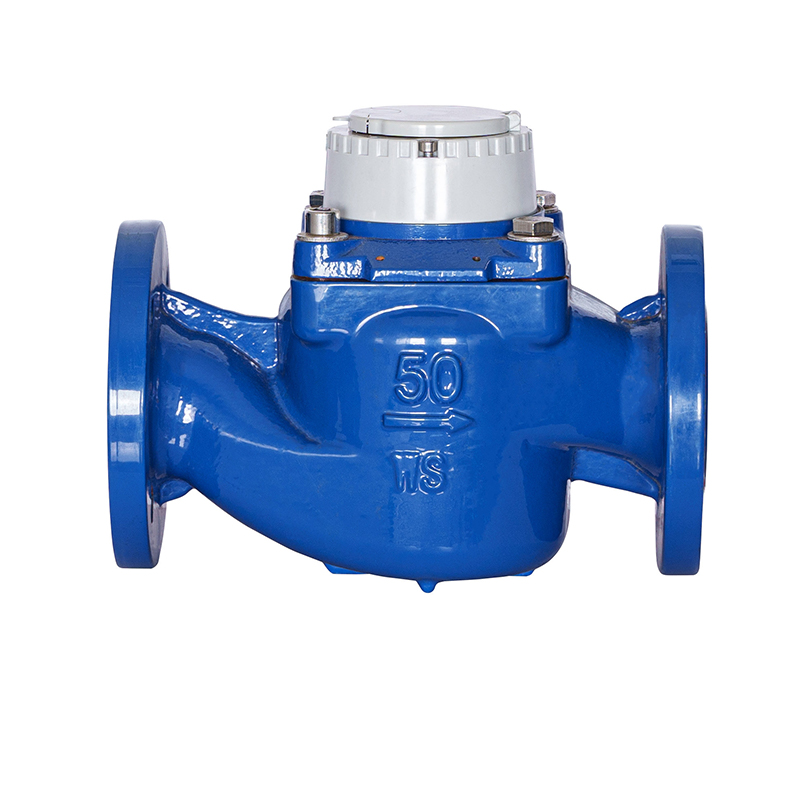
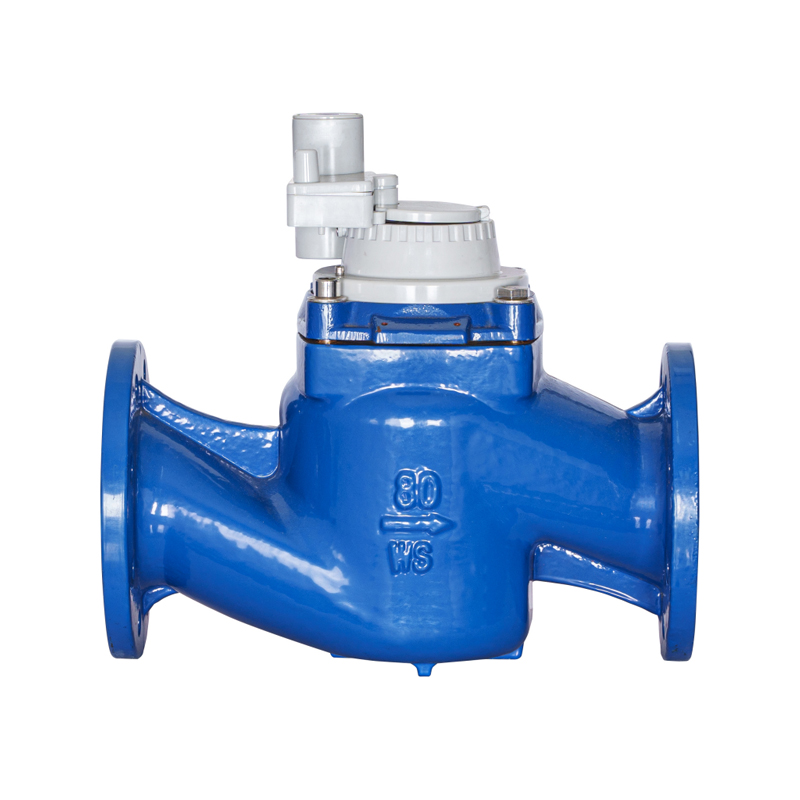
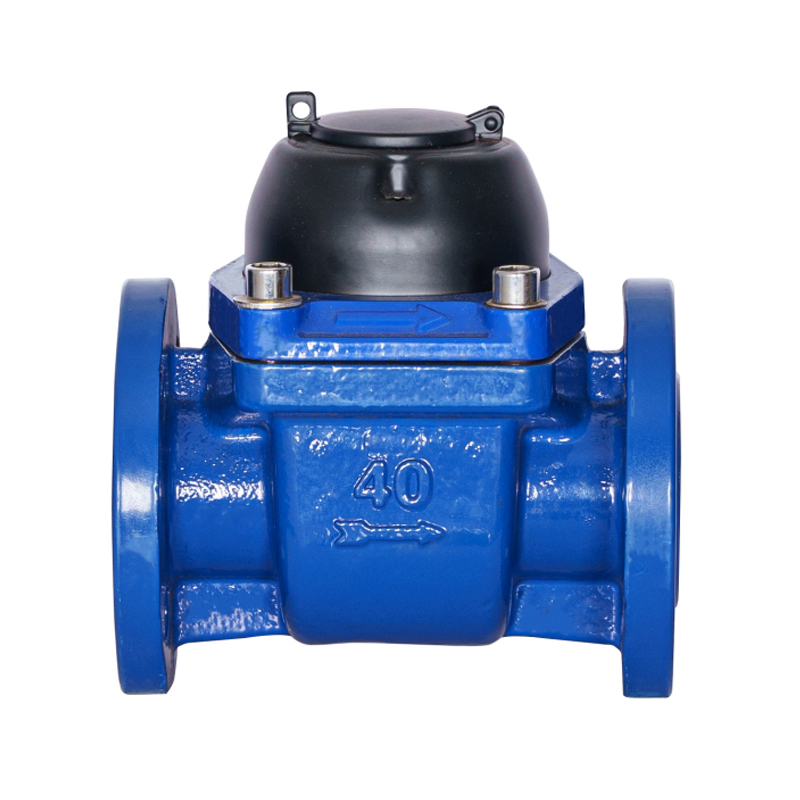
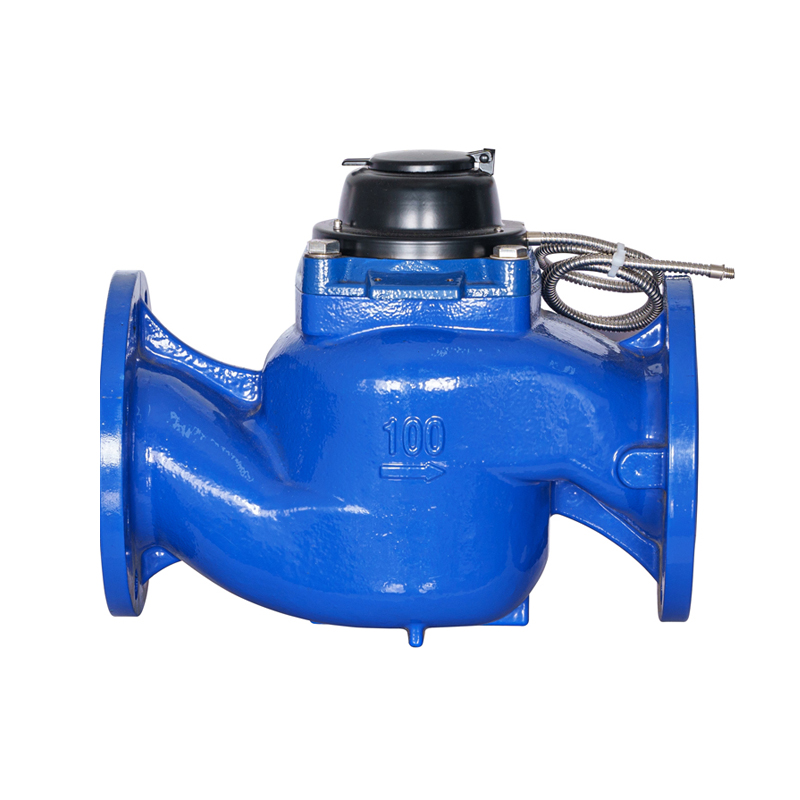
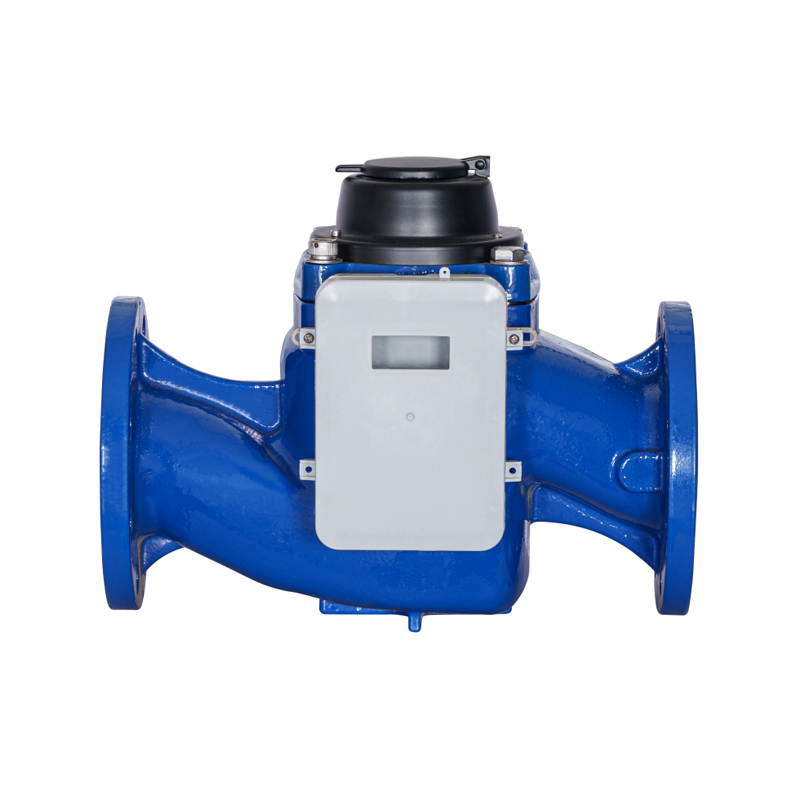
Deploying a rugged, high-capacity WI irrigation water meter (specifically engineered as a removable element Woltman structure with an elevated paddle axis) provides agricultural operations, water districts, and deep-well extraction facilities with an unyielding mechanical solution for tracking raw, sand-heavy surface water extraction. By positioning the measuring mechanism in the upper portion of the flow tube rather than directly along the central axis, this layout creates an open, dirt-tolerant passage that enables large particulates, weeds, and small gravel bits to flow underneath without hitting or jamming the impeller blades. This structural configuration establishes a highly resilient monitoring node that delivers a 98% measurement accuracy rating while handling raw water streams filled with up to 15% suspended solid loads, protecting agricultural water loops from premature mechanical breakdown and expensive operational shutdowns.
In modern farm water management, tracking raw water lines requires a system that handles heavy debris while introducing minimal fluid resistance. Surface water pumped from open irrigation canals, retention ponds, and muddy aquifers carries significant kinetic energy along with high concentrations of organic matter, sand grains, and mineral scale flakes. Conventional domestic multi-jet water meters or positive displacement systems rely on narrow internal chambers and tight tolerances to force water layers evenly against their measuring parts, making them highly prone to immediate jamming and scoring when exposed to unfiltered agricultural water. Transitioning to an elevated paddle-wheel style irrigation meter resolves these functional weaknesses, keeping flow paths clear and preventing system pressure drops from starving downstream pivot sprinklers or drip networks.
Elevated Turbine Hydromechanics and Magnetic Dry-Dial Isolation
The long-term accuracy and debris resistance of a WI-class agricultural meter rely directly on the physical placement of its internal components and the design of the dry-dial magnetic coupling that links the rotor to the register display.
Top-Mounted Elevated Impeller Mechanics
Unlike standard inline horizontal turbine meters where the entire rotor assembly blocks the center of the pipeline, irrigation water meters use an elevated design. The turbine blades are positioned in the top half of the cast-iron body, capturing just the upper layer of the water stream to calculate total volumetric flow. Because sand grains, small stones, and heavy sediment naturally sink to the bottom of the pipe under gravity as they travel, these harsh abrasives pass harmlessly beneath the spinning blades, reducing blade edge erosion and protecting the main bearing cups from grinding down.
Hermetically Sealed Dry-Dial Transmission Blocks
To keep muddy, iron-rich water from entering and fouling the delicate internal gear train, the odometer wheel mechanism is housed inside a vacuum-sealed copper and glass capsule. The spinning impeller turns an array of rare-earth magnets on the wet side of the system, which project magnetic lines of force through a thick, non-magnetic stainless steel plate to rotate a matching magnet set inside the dry capsule. This magnetic coupling completely isolates the mechanical display wheels from the raw fluid stream, preventing mineral scaling, algae growth, and internal condensation from clouding the display numbers over decades of outdoor service.
Comparative Design Evaluation: WI Irrigation Meters vs. Inline Axial Woltman Meters
Selecting the correct agricultural flow platform requires evaluating maximum debris tolerances against pressure drops, low-flow registration limits, and service access speeds. The comparative table below details the performance boundaries between elevated irrigation meters and traditional axial-flow turbine designs.
| Pneumatic Quality Parameter | WI Elevated Irrigation Meter | Standard Inline Axial Woltman Meter |
|---|---|---|
| Suspended Solids and Debris Tolerance | Maximum (Elevated blades allow grass/sand bypass) | Low (Weeds wrap around hub, causing immediate jam) |
| Induced Head Loss (Pressure Drop) | Minimal (Open lower channel preserves pressure) | Moderate (Center hub and straighteners restrict flow) |
| Low-Flow Sensitivity Threshold (Q1) | Moderate (Requires higher speed to engage upper blade) | High (Full-pipe flow forces continuous rotation) |
| Removable Mechanism Mechanism | Complete (Top cover lifts out for swift cleaning) | Partial (Requires core extraction tool sets) |
| Primary Application Target | Ditch Diversions, Open Canal Pumps, Unfiltered Well Line | Clean Drinking Water Supply Mains, Factory Loops |
The data comparison highlights a distinct division in application targets. Standard inline Woltman meters provide excellent accuracy across a wide flow range for municipal drinking water systems, but they fail rapidly when deployed in raw agricultural environments. Their center-mounted rotor shafts and internal flow-straightening vanes form a physical mesh that catches organic debris and stringy weeds, leading to immediate line clogs. WI irrigation meters eliminate these clogging risks by using an open lower channel design, trading away some low-flow sensitivity to guarantee continuous flow reliability in high-debris water lines.
Advanced Intelligence Smart-Grid Upgrades and Remote Telemetry
Modern agricultural water meters incorporate advanced electronic signaling options to integrate seamlessly with automated irrigation controllers and district compliance tracking networks.
- Pre-Equipped Pulse Output Ports: The dry-dial register casing includes an integrated slot designed to accept a clip-on magnetic reed switch or optoelectronic pulser. As the odometer dials turn, the pulse transmitter broadcasts an electrical signal (e.g., 1 pulse per 10,000 liters) to a tracking logger or dosing pump.
- Battery-Powered Cellular IoT Modules: External low-power radio transmitters running on NB-IoT or LoRaWAN networks can be wired directly to the meter head. These modules transmit daily extraction totals to a centralized cloud interface, helping growers track water use and monitor lines for leaks without traveling to remote pump sites.
- Dual Forward-Reverse Pulse Customization: For systems where water flows back into irrigation storage ponds during shut-off cycles, advanced encoder registers track flow direction separately. This function subtracts reverse flow volume from the main ledger, ensuring water totals remain completely accurate.
Step-by-Step Flow Profile Management and Field Commissioning Sequence
Because swirling fluid vortexes, pipe elbows, and pump discharges can disrupt water speed profiles and tilt measurement accuracy, field crews use a disciplined installation and calibration sequence.
- Upstream Straight Pipe Allocation: Measure out the pipeline layout to ensure a straight section of pipe at least 5 to 10 times the nominal pipe diameter (5D - 10D) upstream from the meter inlet flange, smoothing out fluid turbulence before the water enters the measuring zone.
- Downstream Distance Calibration: Provide a straight pipe section of at least 5 times the nominal pipe diameter (5D) downstream from the meter outlet connection to prevent backpressure ripples and fluid stall zones from traveling back into the turbine path.
- Flange Alignment and Structural Support: Position the heavy cast-iron meter housing horizontally along the pipeline centerline, ensuring the cast arrow matches the correct water flow direction. Install steel support jacks beneath the meter body to take weight stress off adjacent plastic or thin aluminum farm pipes.
- Gasket Placement and Cross-Torque Securing: Set thick rubber or synthetic gaskets between the matching pipe flanges. Tighten the steel bolts in an alternating star pattern using a manual torque wrench to ensure an even seal and prevent leaks.
- Slow Hydrostatic Charging Phase: Open the upstream line gate valves slowly to fill the meter chamber with water over a period of 60 to 90 seconds. Avoid sudden high-pressure surges, which can over-speed a dry turbine and shear the plastic gear pins.
Mitigating Structural Core Scaling and Managing Siphon Air Pockets
While high-grade WI irrigation water meters are engineered to endure harsh outdoor deployment conditions, mineral encrustation and water siphon voids can compromise calibration over time if left unmanaged.
Preventing Mineral Scaling Calibration Shifts
Pumping hard, mineral-dense groundwater can cause calcium carbonate and iron oxide scales to build up along the inner housing walls and over the turbine blades. This scaling alters the turbine's shape and weight, increasing friction and causing the meter to under-register actual water usage. To maintain accurate flow metrics, maintenance crews should leverage the meter's removable insert design; the top cover bolts can be unfastened to slide out the entire core assembly for quick chemical scale descaling without cutting the outer cast-iron housing away from the pipeline.
Controlling Siphon Air Void Over-Registration
When an irrigation line is run downhill or experiences a pump shut-off, gravity can pull the water column down, creating vacuum air pockets at high points along the pipeline. If a pump restarts and drives these compressed air pockets through a partially filled water meter, the high-velocity air streams will spin the elevated turbine wheel at extreme speeds, leading to falsely inflated water bills. Operators can eliminate these air-pocket errors by installing a high-capacity combination vacuum breaker and air release valve directly upstream from the meter body, ensuring the pipe remains completely filled with liquid water during tracking cycles.